
Has Cybersecurity Entered the 'Reign of Chaos'? Retiring an 8-Year Server and Delegating Migration to AI
Looking back at the early days of internet security, discovering an unpatched exploit in legacy forum boards like Discuz or PHPWind could fetch tens of thousands of dollars on underground markets.
Today, however, the threat landscape has transformed into sheer automation. Anyone armed with basic networking knowledge can ride autonomous AI agents to scan, probe, and attack public infrastructure at unprecedented scales. The moment you recompile Nginx, PHP throws errors; you patch PHP, and Node.js dependencies break next. Keeping internet-facing servers exposed without aggressive defenses has practically become an open invitation to chaos.
🚨 How Dangerous Is the Public Internet Today?
Recently, I temporarily spun up a spare PC as an experimental home server. Before I even had a chance to apply firewall rules and SSH hardening, it was hammered with brute-force dictionary attacks until CPU saturation triggered a kernel panic.
Even more eye-opening was testing an unproxied MySQL port: I opened it to the public WAN for just a brief testing window and closed it shortly afterward. Within that narrow sliver of time, the instance was already penetrated—and not through any widely published common CVE.
In years past, developers held a comforting rule of thumb: pick an obscure non-standard port and a 20-character password, and you’d evade 99% of indiscriminate automated bots. That era is definitively over. Autonomous AI scanners now crawl IPv4 and IPv6 spaces 24/7/365 without sleep, without fatigue, and with far more persistence than most human security engineers.
⏳ Time to Retire an 8-Year-Old Veteran
This week, multiple machines on my rack demanded attention. The most critical was my primary web host: a server running continuously for eight years on an aging CentOS installation.
It hosted a WordPress blog, Gogs git repositories, and auxiliary background workers, with PHP stuck on version 8.1. Attempting to build and upgrade to PHP 8.2 cascaded into dependency hell—ancient OpenSSL toolchains, missing PEAR bindings, and obsolete system libraries made in-place upgrading completely unviable:
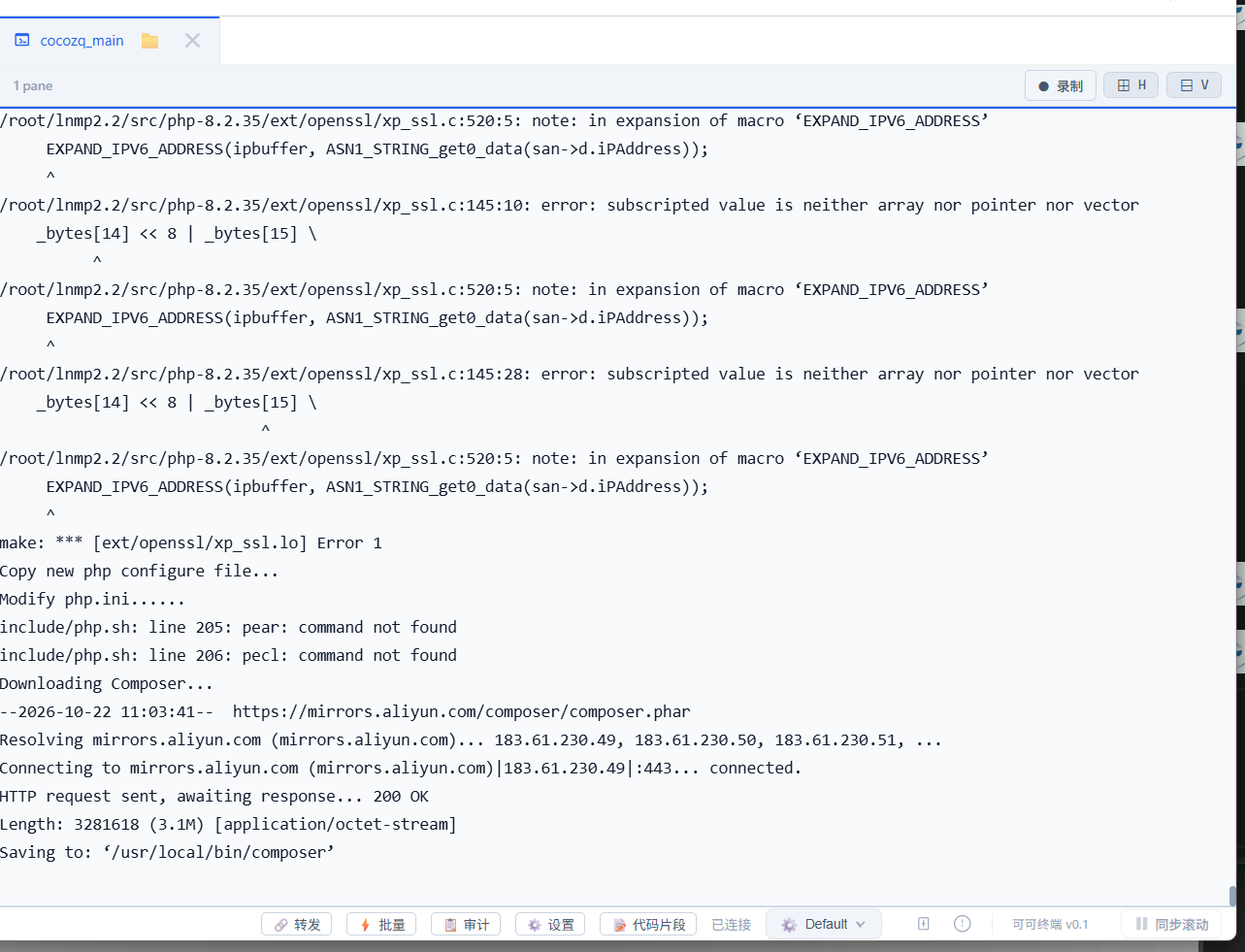
The brittle reality of vintage Linux: compiler failures trying to modernize PHP
Patching a sinking ship is never worth the technical debt. I pulled a complete off-site snapshot, re-provisioned the machine from scratch, and cleanly upgraded to a fresh LTS release:
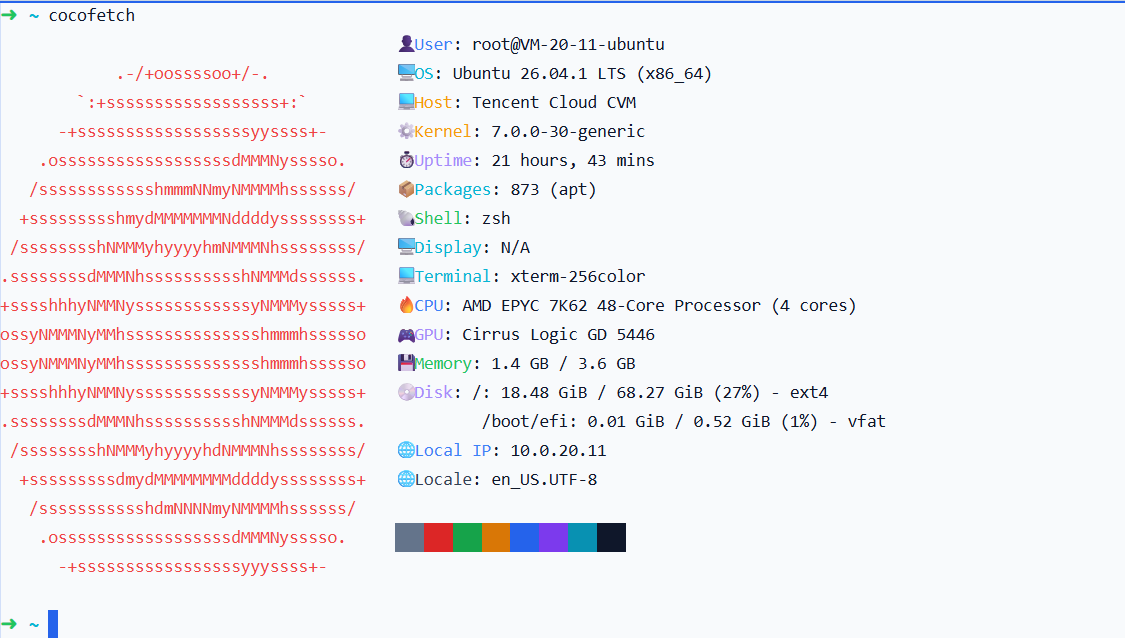
Clean slate: Fresh kernel and lean baseline on Tencent Cloud CVM
🤖 Delegating the Entire Migration to an AI Agent
The very first binary I installed on the clean OS was OpenCode. Rather than spending my night manually editing Nginx virtual hosts, configuring systemd services, and resolving path inconsistencies, I turned the migration over to the agent:
- Two complete web environments: database imports, Nginx server blocks, SSL certificates, and file permissions.
- Gogs private git service: daemon setup, repository directory restoration, and hook permissions.
- RustDesk relay infrastructure: deploying
rustdesk-hbbsandrustdesk-hbbr, validating encrypted keys, and registering systemd units. - Publishing pipelines: automated newsletter and blog deploy hooks.
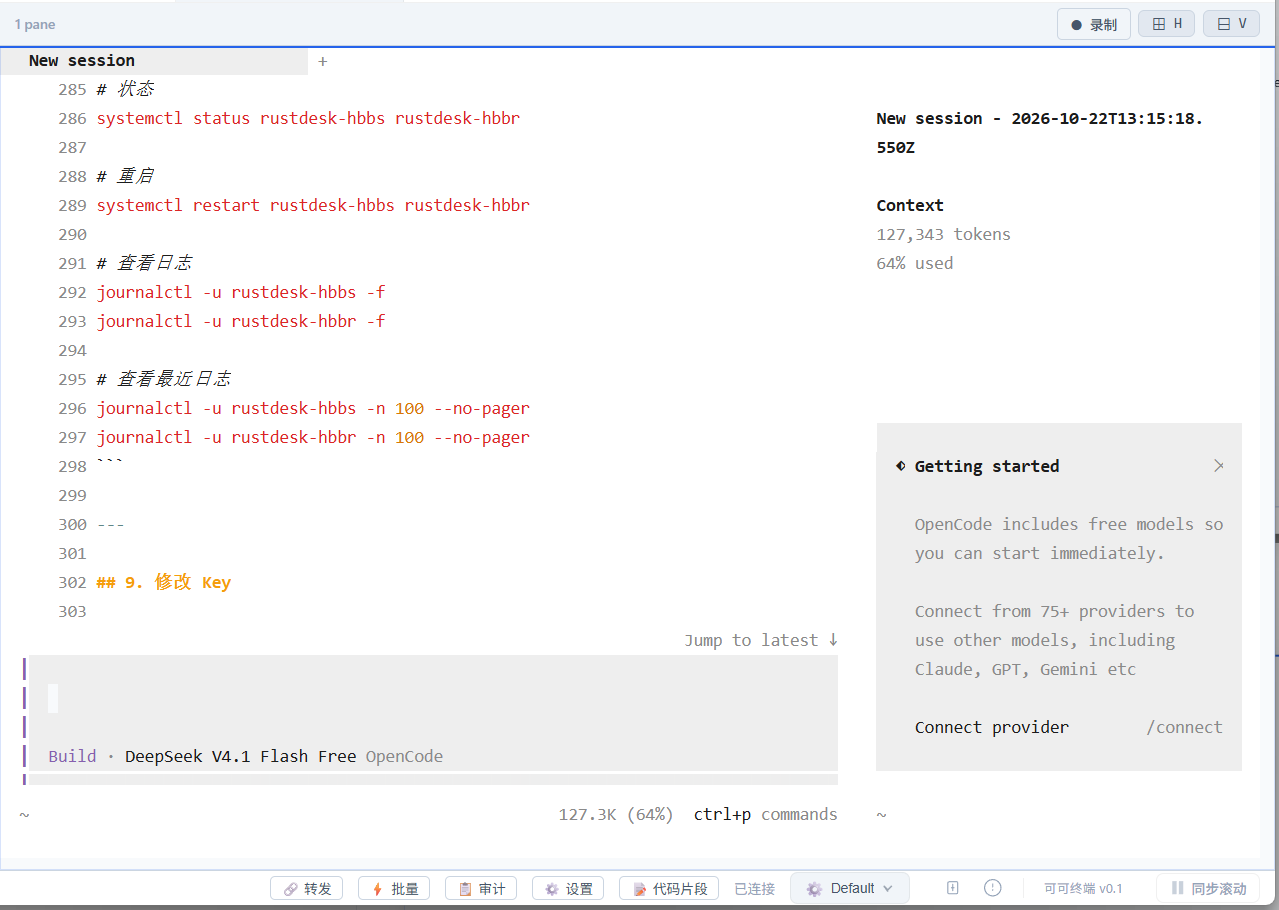
OpenCode inspecting systemd statuses and automating service deployment inside CocoTerminal
The agent inspected configurations, updated paths, resolved runtime packages, and restarted daemons autonomously. I simply supervised the terminal stream and confirmed critical steps. What used to be an exhausting, all-night manual migration was finished in a single cohesive session.
📋 Takeaways for Modern DevOps
- Assume Every Exposed Port is Under Active Attack: The baseline threat model has shifted. Never rely on security-by-obscurity (custom ports or passwords alone). Use key-based authentication, enforce zero-trust network boundaries, and keep database ports locked to localhost or WireGuard mesh networks.
- Don’t Let Old Distributions Linger: Postponing operating system upgrades turns routine updates into brittle minefields. Modernizing via complete re-provisioning is often much faster than nursing an obsolete distro.
- Embrace Agentic Automation for Repetitive Ops: System migrations, reverse proxy configuration, and systemd bootstrapping are prime workloads for terminal AI agents like OpenCode. Let the agent handle the tedious syntax and dependency hunting while you focus on architecture and verification.