
Field Guide to Free AI Coding Tools & Models: A Solo Developer's Battle-Tested Roster
A year ago, I purchased an annual international subscription for an AI IDE primarily to access Claude models. Midway through, third-party provider access was throttled and downgraded. While the vendor offered modest fast-request quotas as compensation, subsequent pricing changes shifted from predictable monthly allowances to aggressive consumption-based metering—slashing effective developer capacity to barely a fraction of its original tier.
When the subscription lapses, I won’t be renewing.
Over the past year, I built and shipped dozens of independent software utilities (such as CocoTerminal and CocoUnlock) largely by orchestrating free and freemium AI model tiers. Here is a hands-on, battle-tested breakdown of the free AI coding landscape today.
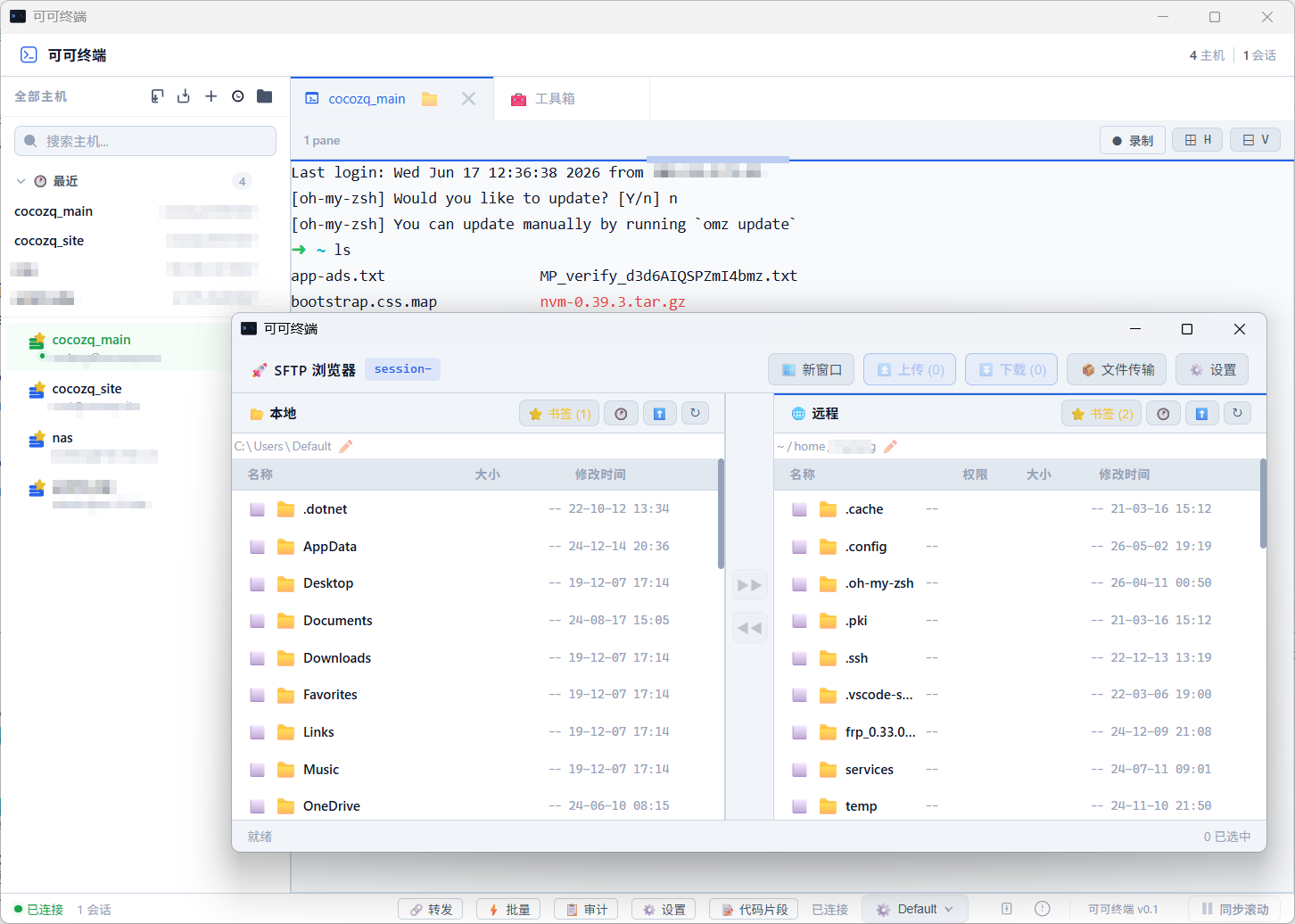
CocoTerminal—a Bitvise-style SSH workspace client developed in a week using free AI tiers
🌊 The Late-Stage AI Land Grab
The battle among foundation model providers mirrors the ride-hailing subsidy wars of the past decade. We are now entering the consolidation phase: generous free subsidies are quietly tightening across the board.
However, for solo developers, indie hackers, and side projects without immediate revenue backing, the available free tiers remain remarkably capable when combined thoughtfully:
🌐 Global & CLI-First Tools
1. OpenCode (Top Pick for Terminal Workflow)
OpenCode is my daily driver CLI assistant. It supports the broadest array of upstream inference providers while actively curating high-performing free tiers.
By invoking /models and filtering for free, you gain access to dozens of production-ready models (including lightweight DeepSeek variants, Qwen, and community-hosted checkpoints) that handle refactoring, scripting, and unit testing effortlessly:
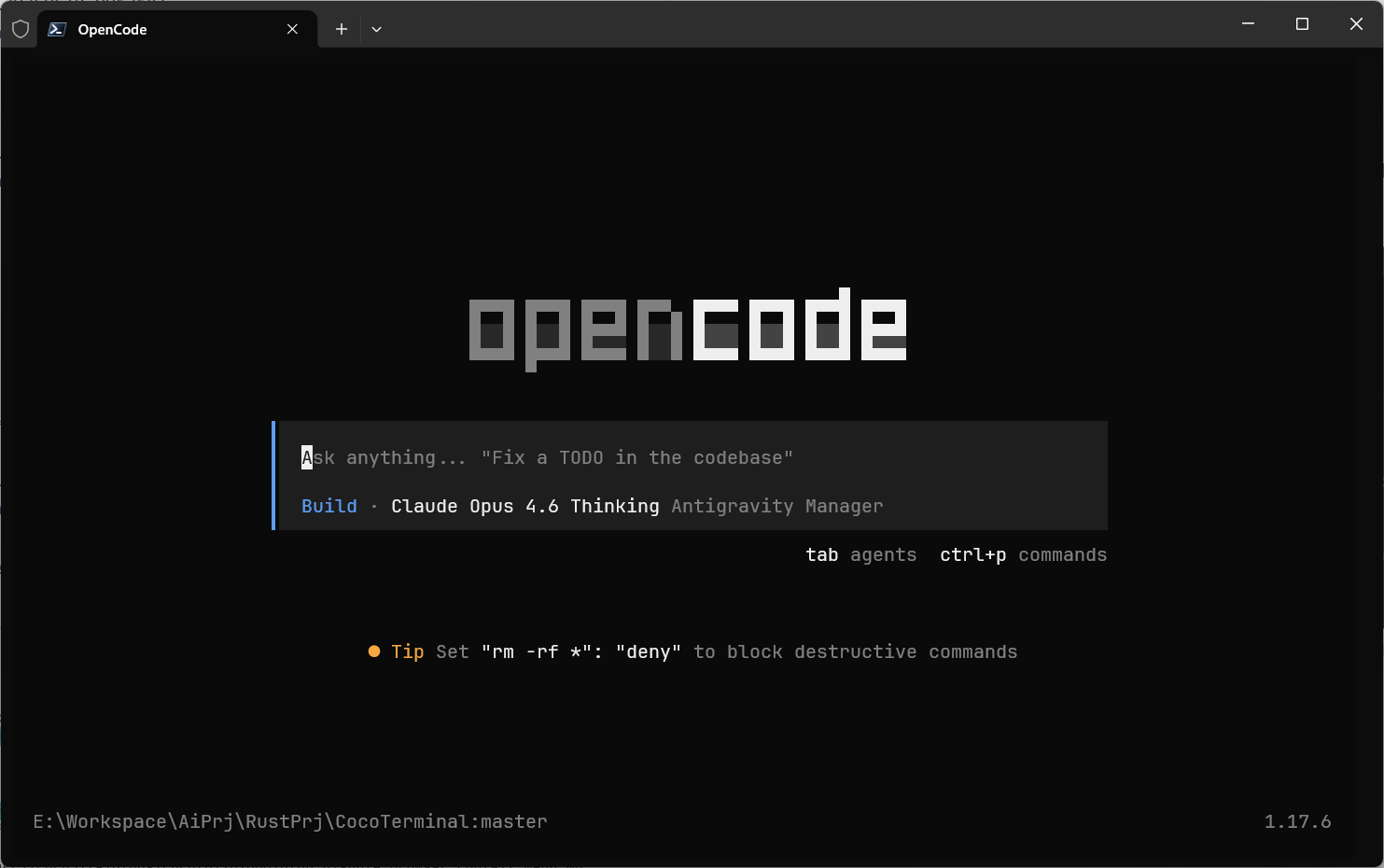
OpenCode's built-in catalog of zero-cost inference endpoints
2. Antigravity
Offers consistent weekly free allowances backing Claude and Gemini Pro models. Its visual design canvas and high token context window make it an exceptional companion for early-stage system architecture and UI prototyping:
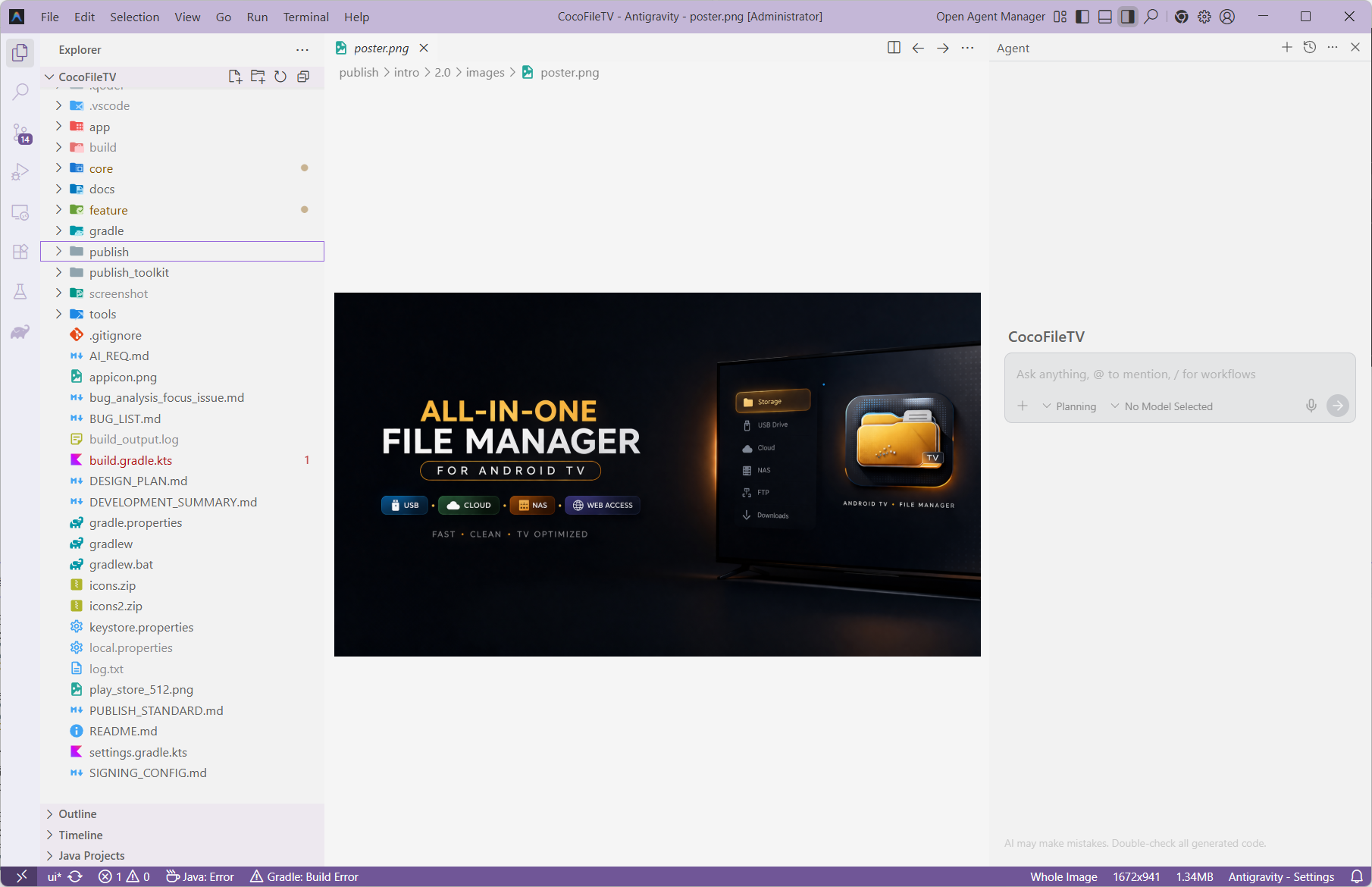
Iterating on architecture and UI design inside Antigravity
3. Amazon Kiro
Provides both a standalone IDE and a dedicated CLI client. New trials include 500 monthly requests, falling back to a perpetual 50 requests/month tier. Excellent for targeted refactoring tasks via terminal.
4. Warp Terminal
Provides monthly free quotas with access to top-tier models. While monthly allowances are modest, having immediate terminal-bound context makes it ideal for quick stack trace debugging and bash one-liners.
5. GitHub Copilot & Cursor
Both platforms maintain free exploration allowances. While free models in Cursor are heavily queued during peak hours, they remain useful for quick inline variable renames and basic docstring generation.
🇨🇳 Regional Free Tiers
1. Tencent CodeBuddy
Offers up to 6,000 initial free credits with recurring monthly and daily quotas. Backs the latest DeepSeek V4 and GLM 5.1 architectures, including GLM-5v-Turbo for multimodal screenshot parsing. The integrated WorkBuddy extension works reliably for full-project task delegation.
2. Trae (CN Edition)
Provides zero-cost access to domestic frontier checkpoints with rolling weekly limits.
Two practical workflow tips:
- Asynchronous night queues: Draft complex requirement prompts during the day and dispatch them before going to bed to bypass peak daytime concurrency queues.
- Context stickiness: Once an agent session establishes deep workspace context, iterative follow-up prompts face far less scheduling latency.
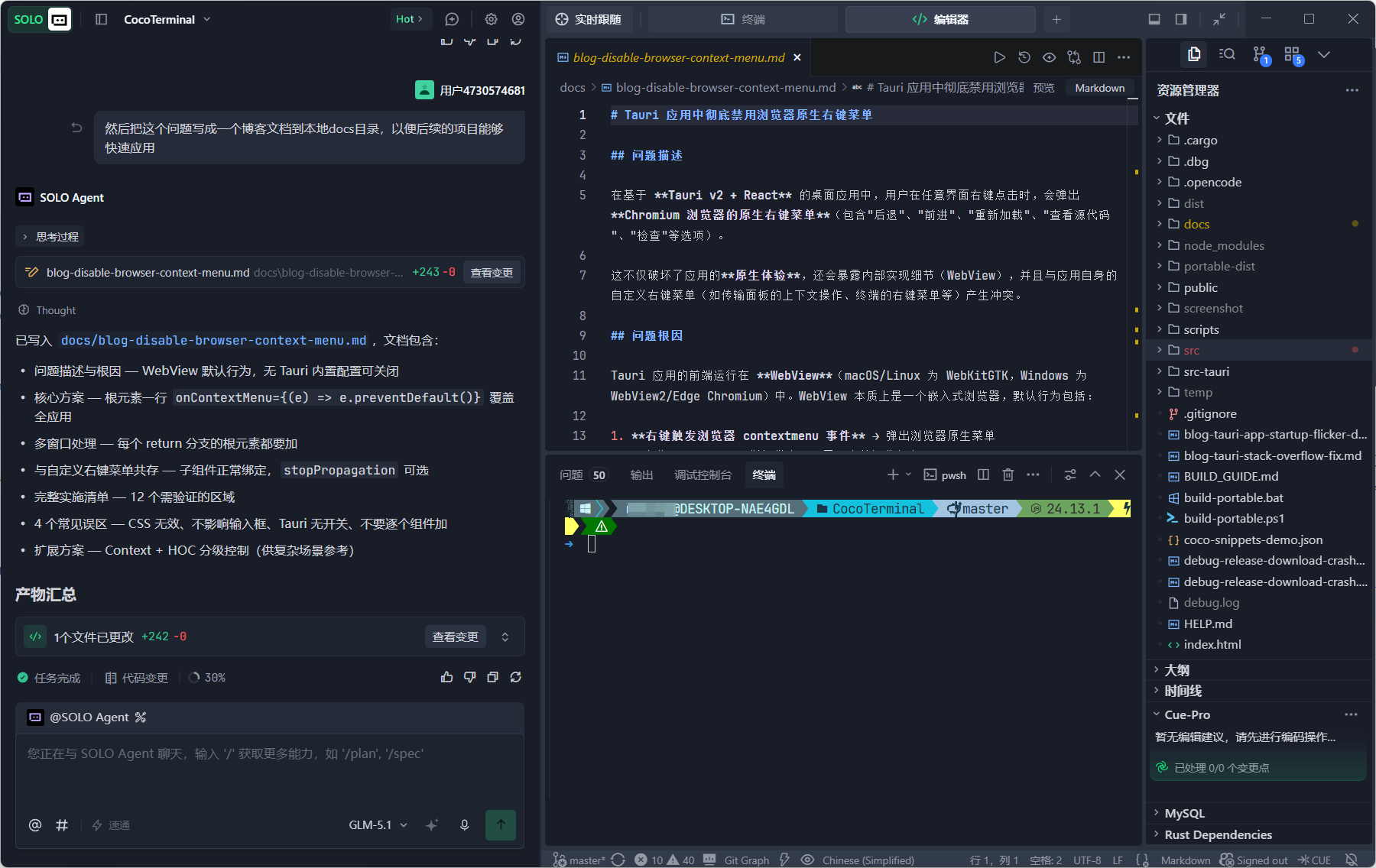
Developing desktop tools inside Trae CN
3. Alibaba Qoder
Provides generous onboarding allowances and periodic 1,000-credit event drops, with solid support for enterprise Java and backend Go codebases.
💡 Practical Strategies for Solo Developers
- Decouple from a Single Vendor: Proprietary subscriptions frequently nerf models or change metering rules without warning. Keep your core workflows anchored in open CLI clients (like OpenCode) where swapping backend providers takes a single command.
- Tier by Task Complexity:
- Architecture & High-Level Design: Antigravity / Claude 3.5 Sonnet.
- Heavy Boilerplate & Scaffolding: Trae / CodeBuddy / DeepSeek.
- Day-to-Day CLI Edits & Git Ops: OpenCode Free Tiers.
- Keep Low-Cost API Keys as Insurance: A modest pay-as-you-go balance (e.g., DeepSeek API or GLM) acts as a reliable fallback whenever free endpoint queues spike.
Free tiers won’t stay free forever—but used strategically, they can easily power your entire indie software catalog today.